As you already heard in the earlier post about search engine optimisation, SEO can be split into two parts: on-page optimisation — the improvements we can make on the website itself, and off-page optimisation, which covers external factors.
Today we focus on on-page optimisation. It involves content-related, technical and structural adjustments to the website. Preferably, you should tackle on-page optimisation before off-page optimisation.
What to expect in this article
- Short URLs
- Title tag
- Meta description tag
- Alt attributes
- File names
- Bold and italics
- Mobile optimisation
- Page speed

Short URLs – keep the URL short
Short, readable URLs get clicked more often than longer ones. Shorter URLs are also better suited to copying or pasting into emails. Ideally, the main keyword should appear in the URL. The closer it is to the domain name, the greater the chance of a better ranking — for the subpage too.
Title tag – the title in search results
One important element is the title tag. A title tag should contain the main keyword or a good combination of the most important keywords, since it contributes to the ranking. Title tags are displayed in search engine results and give users hints about the page’s content. Make sure the title tag doesn’t exceed 512 pixels. You can test that quickly on MOZ.com.
Meta description tag – the description in search results
The meta description tag is often used as the snippet for search engines. A snippet describes the website in short sentences and is sometimes used in the search results. If no suitable meta description is found, search engines pick the most fitting excerpt from the website and use it as the snippet. It plays no role in the ranking, but if you can feed the search engines information, why not? It may well become important again.
Alt attributes – the alternative for web accessibility
The alt attribute is used to attach an alternative text to images, videos or other media in case the media are unavailable or cannot be displayed. For visually impaired users, the alternative text helps with orientation on the website. Here too it’s advisable to include a keyword in the alt tag, since it has been shown that the alt tag contributes noticeably to better visibility. Still, take care not to stuff the alt tag with keywords — the search engine algorithm notices that too and penalises it.
File names – name them sensibly
As with the alt attribute, it’s an advantage to include a keyword in the file name. Since search engines can’t “read” images, they read the file name, and if it contains a keyword, all the better!
Bold and italics – make keywords stand out
Keywords set in bold or italics can make a small contribution to the ranking. Readers benefit from highlighted words too. So use bold and italics sparingly but effectively!
Mobile optimisation – mobile first!
Mobile optimisation plays an important role in search engine optimisation. Mobile browsing has largely replaced browsing on desktop computers. Search engines also pay more attention to mobile friendliness. Make sure your website delivers the optimal user experience for your visitors on mobile too.
Page speed – step on it
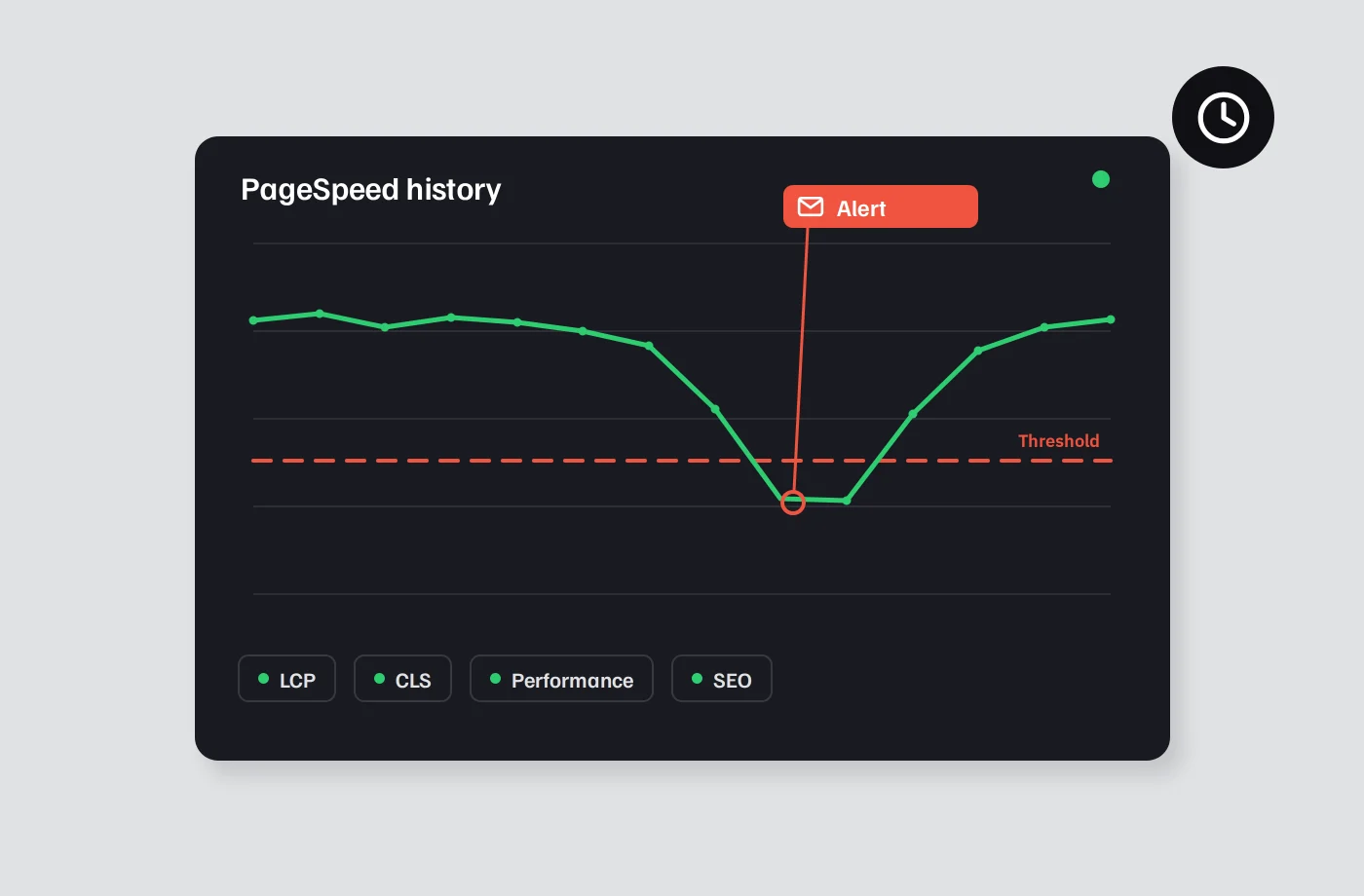
Nothing scares users off faster than a slow website. Test your website with Google’s PageSpeed Insights or GTmetrix. The tools also show you how and where you can improve your website.